The Energy of Endurance: Battery Science, Visualization, and User Psychology in Sports Tech
Update on Jan. 18, 2026, 8:16 a.m.
Endurance is the defining characteristic of the long-distance runner, the triathlete, and the modern worker. We expect our tools to match our stamina. In the world of wireless audio, “battery life” is often just a number on a box. But for the user, it is a source of profound psychological anxiety. Will it die mid-run? Do I have enough charge for the flight?
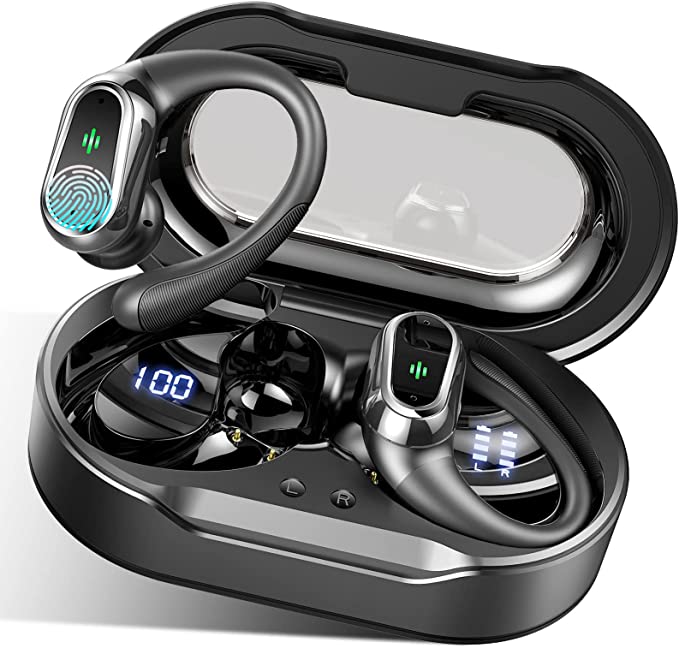
The Kuizil Q76-BY Wireless Earbuds tackle this anxiety not just with chemistry, but with information design. Boasting a massive 50-hour total playtime and a unique Dual Digital LED Display, they offer a case study in how energy density and data visualization combine to create peace of mind. This article explores the science of Lithium-Polymer batteries, the psychology of charge indicators, and the engineering of IP7 waterproofing that protects this power source.
Visualizing Energy: The Cure for Range Anxiety
“Range Anxiety” is a term usually applied to electric vehicles, but it applies equally to TWS (True Wireless Stereo) earbuds. The traditional blinking LED (red/green) is a vague semaphore. Does a blinking red light mean 10% or 1%?
The Dual LED Interface
The Kuizil Q76-BY replaces ambiguity with precision. The charging case features a numerical percentage display (0-100%) for the case’s own battery, and separate 4-bar grids for each earbud. * Cognitive Ease: Seeing “87%” requires zero interpretation. The brain instantly recognizes it as “plenty.” * Behavioral Shaping: The precision encourages better charging habits. You know exactly when to plug it in, avoiding the “deep discharge” cycles that damage battery chemistry.
This Transparent Window design allows the user to check the status without even opening the case. It transforms the charging case from a passive container into an active dashboard, giving the user a sense of control over their energy reserves.
The Chemistry of 50 Hours: Lithium-Polymer Density
How do you fit 50 hours of power into a pocketable device? The answer lies in Lithium-Polymer (Li-Po) technology. Unlike the rigid cylindrical Li-Ion cells found in older tech (like 18650s), Li-Po batteries use a polymer electrolyte.
Volumetric Efficiency
This allows the battery to be molded into any shape—specifically, the rectangular or pouch shapes that fit efficiently inside the flat charging case of the Q76-BY. The earbuds themselves hold enough charge for 10 hours of continuous playback. This is significantly higher than the industry average of 5-6 hours.
This extended single-charge runtime is crucial for Ultra-Endurance Athletes. An ultramarathon runner or an Ironman triathlete needs a device that can last the full duration of the event (10-15 hours) without needing to stop and recharge. The Q76-BY’s high-density cells make this possible.
The Fortress: IP7 Waterproofing Mechanics
A high-capacity battery is a fire hazard if it gets wet. Water causes short circuits that lead to thermal runaway. Therefore, waterproofing is not just a feature; it is a safety requirement for a sports device.
The Kuizil Q76-BY is rated IP7 (often written as IPX7). * IP: Ingress Protection. * X: Not rated for dust (though usually dust-tight by default). * 7: Immersion in water up to 1 meter for 30 minutes.
Sealing the Power
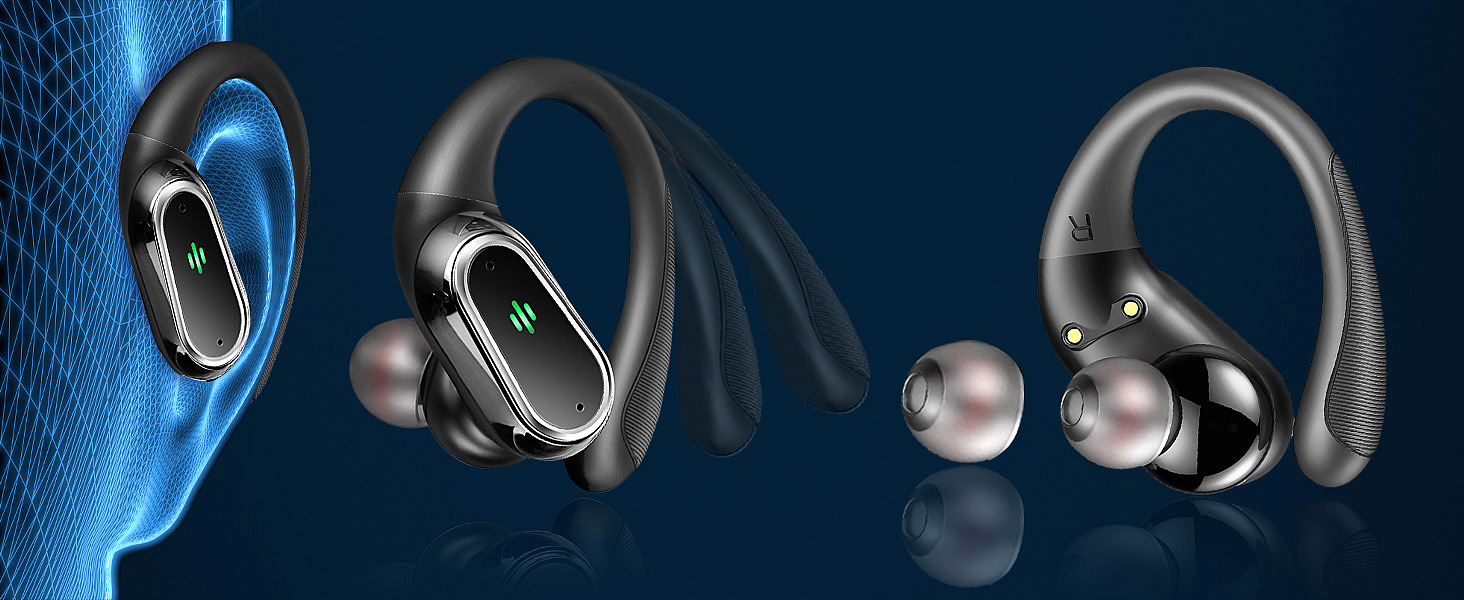
To achieve this, the Q76-BY likely employs Ultrasonic Welding to fuse the plastic housing of the earbuds, creating a hermetic seal that no glue can match. The charging contacts—the gold points that touch the case—are the vulnerable spots. These are typically plated with corrosion-resistant materials (like gold or rhodium) and surrounded by rubber gaskets within the case to prevent sweat from wicking into the internal circuitry during charging.
This level of protection means you can rinse the earbuds under a tap after a sweaty workout, maintaining hygiene without risking the electronics.
The Touch Control Dilemma: Function vs. Friction
While the battery and waterproofing are robust, the interface presents a classic design challenge. The Q76-BY uses Touch Controls. * Tap: Play/Pause. * Double Tap: Volume/Track. * Long Press: Voice Assistant.
In a dry environment, this is elegant. In a sports environment, as noted in previous analyses, it can be tricky. Sweat can alter the capacitance of the finger. However, the Q76-BY’s large outer surface area (due to the 13mm driver housing) provides a bigger target for touch gestures than smaller buds.
The integration of Voice Assistant (Siri/Google) access is a critical workaround. Instead of fumbling with wet fingers to change a playlist, the user can simply long-press and use voice commands. This shifts the interaction from Tactile to Verbal, which is often safer and easier during vigorous activity.
Conclusion: The Reliability of Excess
The Kuizil Q76-BY is built on the philosophy of “Over-Provisioning.” It provides more battery life than most people need in a day (50 hours). It provides more waterproofing than a runner needs (IP7). It provides a larger driver than is typical (13mm).
But this excess is functional. It creates a buffer. The extra battery life means you can forget to charge it for a week and still be fine. The extra waterproofing means you can get caught in a rainstorm without panic. The extra driver size means the bass is effortless, not strained. In the world of sports tech, this reliability—born of excess capability—is the ultimate luxury.