The End of Isolation: Why Situational Awareness is Audio's Next Big Thing
Update on Dec. 18, 2025, 1:24 p.m.
For the last decade, we were soldiers in a war against noise.
We bought expensive, powerful headphones with one goal: isolation. We wanted to build a digital fortress of silence, a perfect “cone of focus” to shield us from the open-plan office, the crowded subway, the noise of our own homes. Active Noise-Cancelling (ANC) wasn’t just a feature; it was a status symbol. It meant you were serious, focused, and unavailable.
We were obsessed with shutting the world out.
And then, quietly, something changed. We started to notice the cost of that isolation. The awkwardness of a colleague tapping you on the shoulder. The mild panic of realizing you missed your train stop announcement. The social disconnect of pulling out an earbud every time your partner asks a question.
We built a fortress, only to find ourselves a bit lonely inside it.
This is the dawn of a counter-movement. It’s not about less technology; it’s about smarter technology. It’s the shift from isolation to integration. It’s the rise of “Aware Audio.”
The Right Tool for the Right Job
Let’s be clear: this isn’t a declaration of war on your noise-cancelling headphones. Your ANC headphones are a hammer. They are the perfect tool for a 90-minute “deep work” sprint, a long-haul flight, or blocking out nearby construction. You need a hammer.
But you can’t build a whole house with just a hammer.
Open-ear audio is your screwdriver. It’s the tool for the other 80% of your day. It’s designed for a completely different philosophy: to layer your personal audio onto the world, not replace it.
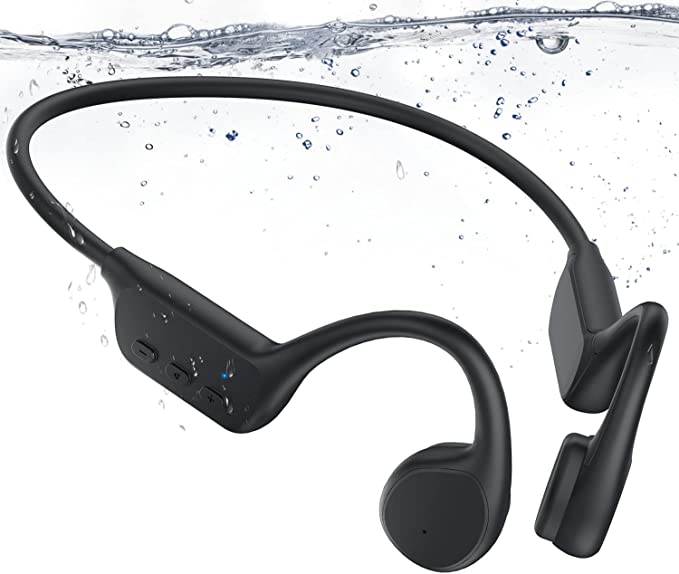
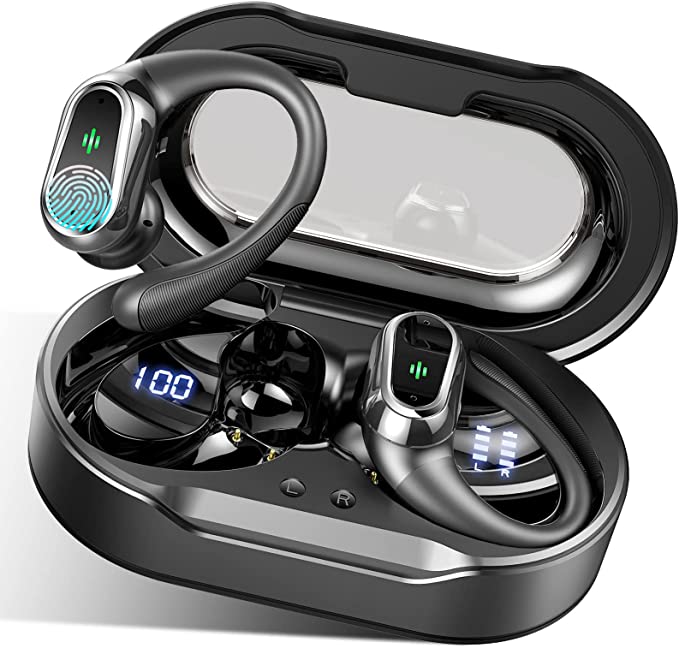
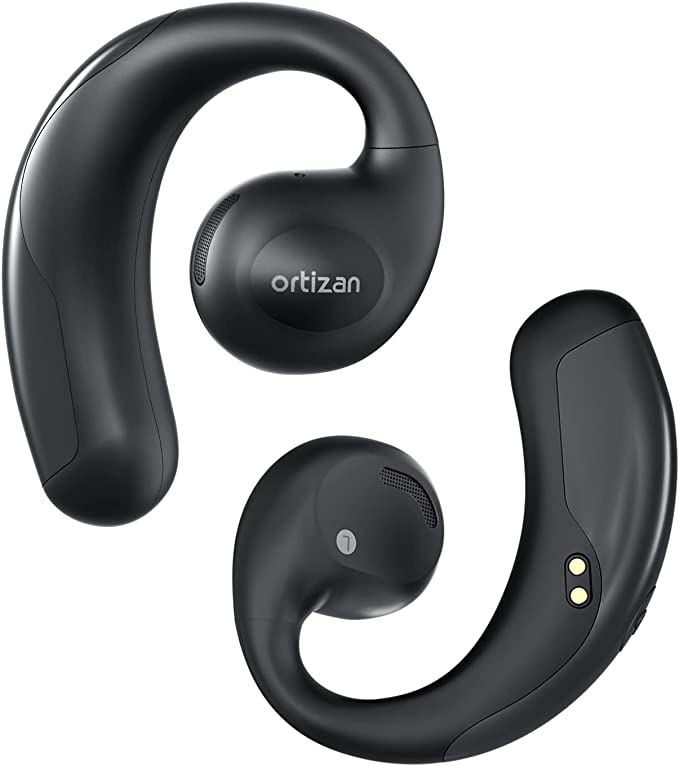
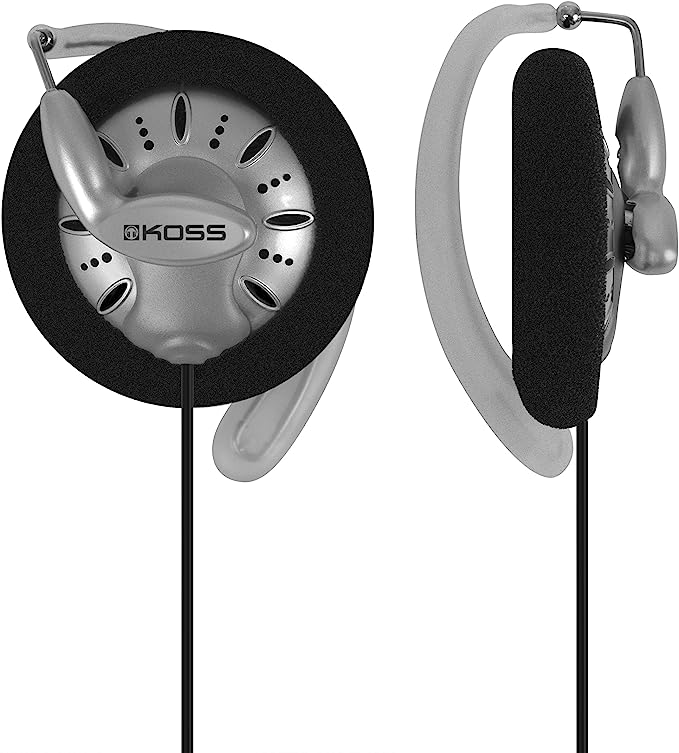
This philosophy is enabled by new hardware, like devices that use an Open-Ear Design. You might see them as ear-hook style headphones, such as the Monster Open AC330, or as other forms that sit near the ear. The specific product doesn’t matter as much as the concept: your ear canal remains unblocked.
This simple design choice has profound psychological benefits.
The Psychology of “Integration”
Why does “aware audio” feel so different?
-
It Restores Your Sense of Safety: Humans are wired for survival. Our hearing is our 360-degree warning system. When you seal your ears, you are subconsciously telling your brain that you are “unsafe.” This creates a low-level, constant state of hyper-vigilance. With an open-ear design, your brain relaxes. It can “hear” the approaching bicycle bell, the car horn, the footsteps behind you. You are in the world, not just a visitor to it.
-
It Enables Social “Flow”: In an office, “flow” isn’t just about deep work. It’s also about the fluid, low-friction “social flow” of collaboration. Open-ear audio allows you to be “passively available.” You can have your focus music playing, but when a colleague leans over to ask a 10-second question, the conversation is seamless. No fumbling, no pausing, no “what did you say?”
-
It Blends Your Digital and Physical Worlds: This is the biggest shift. You’re no longer choosing between listening to a podcast or being present with your kids. You can do both. You can follow an audiobook while walking your dog and still hear its happy bark. You can listen to the news while making coffee and still hear the toaster pop.
It’s a small change in technology that leads to a large change in behavior. You stop seeing your audio as an “escape” from the world and start seeing it as an “accompaniment” to it. And in a world that’s trying to pull us in a thousand directions, that feeling of integrated, calm awareness might be the most valuable feature of all.